Entry · Ref 58SYODVL
A Beginner’s Guide to Jamaican Food in Denver
- Posted
- 2026-09-24
- Last amended
- 2026-09-24
- Account
- @cesarsgqk454
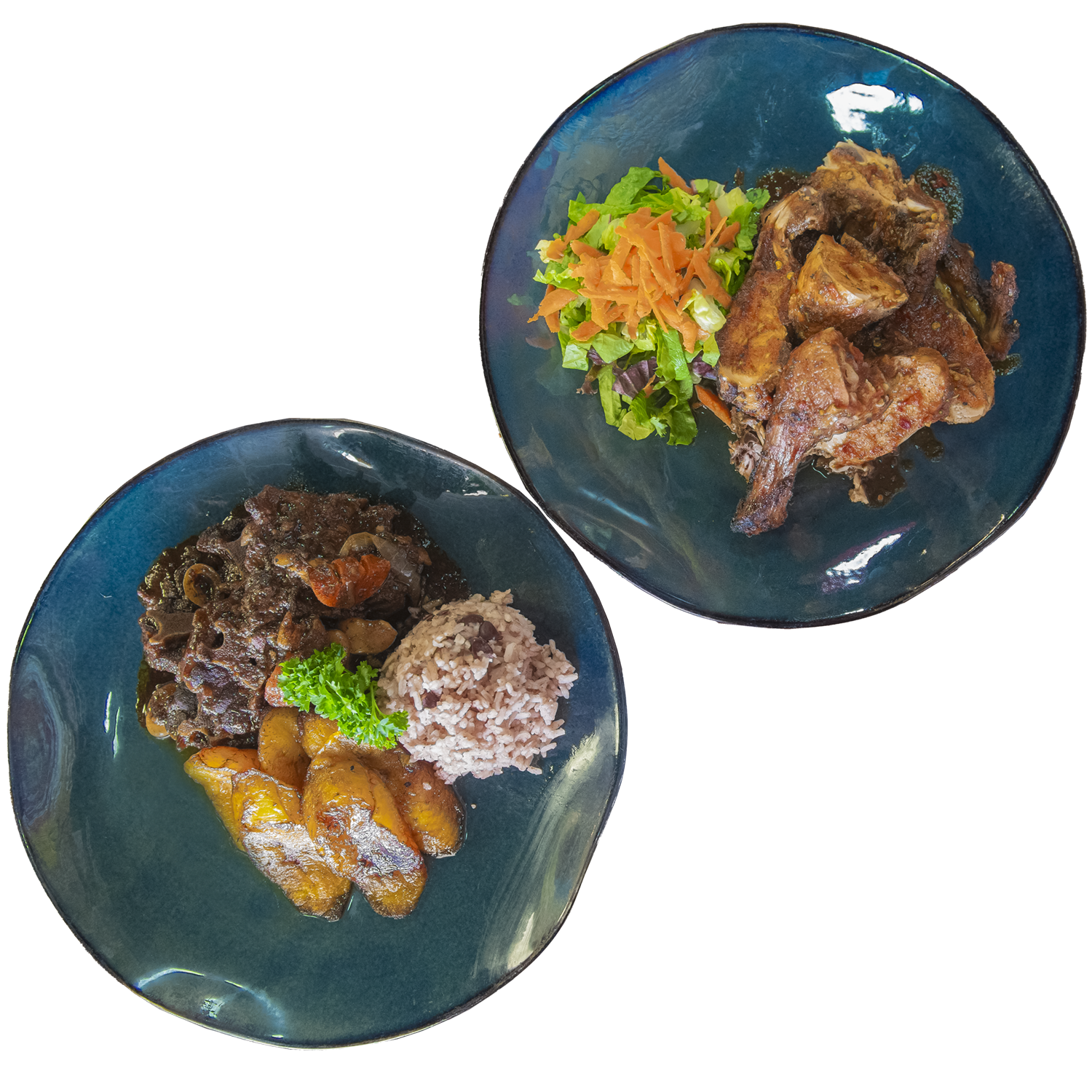
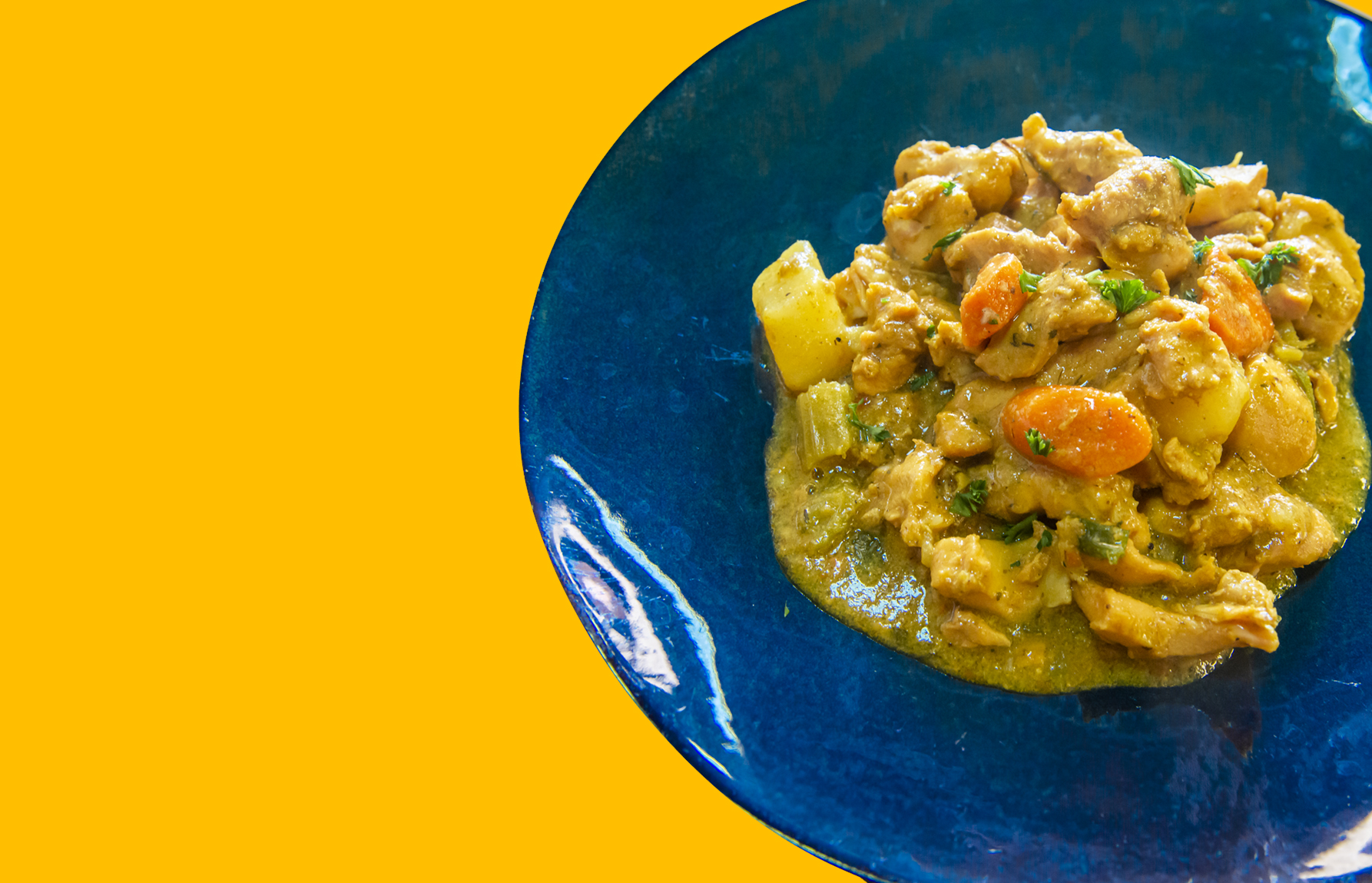
If you are curious about Jamaican food in Denver, the first thing to know is that the cuisine rewards patience, appetite, and a little willingness to order beyond your comfort zone. Jamaican cooking is bold but not one-note. It carries heat, yes, but also sweetness, smoke, tang, slow-cooked depth, and the kind of seasoning that lingers pleasantly long after the meal is over. For a newcomer, the menu can look unfamiliar at first. Words like jerk, escovitch, ackee, callaloo, and coco bread are not difficult once you have a frame of reference, but that first visit https://daltontehy221.hexaforgey.com/posts/best-jamaican-food-in-denver-for-groups-and-gatherings can still feel like stepping into a new language.
Denver is actually a good place to start. The city’s food scene has matured in a way that favors regional cooking with identity. Jamaican restaurants here often serve diners who know exactly what they want alongside first-timers who need a little guidance. That combination tends to produce menus that are accessible without being watered down. You can usually find the staples, but you also get moments of real personality, especially in the marinades, the spice blends, and the side dishes.
What follows is the kind of orientation I wish more people had before their first order. Jamaican food is easier to enjoy when you understand what the dishes are trying to do.
What makes Jamaican food distinct
Jamaican cooking is shaped by many influences, including West African, Indigenous Taíno, Spanish, British, Indian, and Chinese traditions. On the plate, though, it feels cohesive rather than mixed for novelty. The food tends to be direct and confident. Meat is often marinated deeply, then grilled, braised, or stewed. Seafood is treated with sharp acidity and punchy seasoning. Starches do real work, both as comfort and as balance. Spice is common, but it usually has structure. It is not there simply to show off.
One reason beginners can misread Jamaican food is that they assume the hottest dish will be the most authentic. That is rarely the right test. A good jerk chicken should taste of allspice, thyme, scallion, garlic, ginger, and smoke before the chile heat takes over. A proper curry should feel warm and savory with rounded spice, not just fiery. Even something as humble as rice and peas should have its own identity, usually from coconut milk, thyme, and a slow simmer that lets everything settle together.
In Denver, where altitude can subtly change cooking times and moisture retention, the better Jamaican kitchens know how to protect texture. Rice that is fluffy instead of dry, chicken that stays juicy under a charred exterior, braises that hold body without becoming heavy, these are signs that the kitchen knows what it is doing.
The dishes most beginners should know
A Jamaican menu can be broad, but a handful of dishes show up often enough that it helps to understand them before you order.
Jerk chicken is the most common entry point, and for good reason. Traditionally, jerk refers both to a style of seasoning and a style of cooking. The seasoning usually includes Scotch bonnet pepper, allspice, thyme, scallion, garlic, ginger, and other aromatics. The cooking method historically involved pimento wood smoke, which gives jerk its unmistakable depth. In Denver, not every restaurant will have the same access to that exact setup, but a strong version should still deliver smoke, heat, herbs, and a little sweetness. If the chicken looks deeply colored and slightly charred at the edges, that is usually a good sign.
Oxtail is often the dish that turns a curious diner into a regular. It is rich, gelatinous, and slow-cooked until the meat yields easily. Good oxtail has concentrated gravy, not watery sauce, and the flavor should feel almost luxurious. It is usually more expensive than chicken dishes, and that price jump can surprise people, but it makes sense once you consider the ingredient cost and the time required.
Brown stew chicken sits in a very comforting middle ground. It is marinated, browned, and then simmered with onions, peppers, tomatoes, and seasonings until the sauce becomes savory and slightly sweet. For someone who wants Jamaican flavor without the direct heat of jerk, brown stew chicken is often the safest order.
Curry goat is another classic, especially for diners who already enjoy Caribbean or South Asian flavors. Jamaican curry powder is different from many Indian curry blends. It often reads earthier and more assertive. Goat has a distinct flavor, but when it is cooked properly, it becomes tender and deeply satisfying. This is one of those dishes where the sauce matters as much as the meat.
Escovitch fish brings a different mood to the table. Typically, it is fried fish topped with a bright, vinegary dressing of onions, carrots, and Scotch bonnet pepper. It is sharp, lively, and less heavy than a braised meat plate. If you tend to enjoy acidic dishes and seafood, this is worth trying early.
Then there is ackee and saltfish, Jamaica’s national dish. Ackee is a fruit, though on the plate it resembles soft scrambled eggs. Paired with salted cod, onion, tomato, and pepper, it creates a savory breakfast or brunch dish with a texture unlike much else. Not every Denver restaurant serves it every day, and some offer it only on weekends or in limited quantities. If you see it, that is often a sign of a kitchen serving beyond the basics.
The sides are not an afterthought
A beginner mistake is focusing entirely on the protein. In Jamaican food, the sides are not filler. They are essential to how the meal works.
Rice and peas is probably the most misunderstood item by newcomers. The “peas” are usually kidney beans or gungo peas, depending on the dish and the cook. The rice is often simmered with coconut milk, thyme, scallion, and seasonings. It should be aromatic and slightly creamy in flavor without being mushy.
Plantains, especially sweet fried ripe plantains, do a lot of balancing on a plate. Their caramelized sweetness cuts the heat and salinity of strongly seasoned meats. They also provide textural contrast. If you are ordering jerk chicken, plantains are one of the easiest ways to make the meal feel complete.
Cabbage is a common side, usually sautéed or lightly steamed with carrots, onion, and mild seasoning. It brings freshness and relief, especially if your main is spicy or rich. Festivals, which are slightly sweet fried dough sticks, deserve attention too. They are crisp outside, tender inside, and excellent for swiping through sauce.
Coco bread deserves its own mention. It is soft, slightly sweet, and buttery, often folded around a beef patty or eaten on its own. For many people, the patty-coco bread combination becomes the first recurring craving.
How to order if you have never had Jamaican food before
The easiest successful first order is not necessarily the most adventurous one. It is the one that lets you understand the seasoning profile, the heat level, and the balance of the plate. If you are completely new to Jamaican food in Denver, a simple strategy helps.
- Start with jerk chicken or brown stew chicken.
- Add rice and peas, plus either plantains or cabbage.
- Ask how spicy the kitchen runs that day.
- If patties are available, get one to share or save for later.
- Return for oxtail or curry goat once you know the house style.
That approach gives you a clear first impression without overcommitting to a dish that may be richer, hotter, or more expensive than you expect. It also lets you compare styles between restaurants. One Denver spot may lean harder into smoke and chile. Another may serve softer heat with deeper sweetness. Both can be excellent, just different.
If you already know you like braised meats, you can skip directly to oxtail or curry goat. If you are heat-sensitive, brown stew chicken is still the better first move. If you eat seafood, escovitch fish gives you a very different angle on the cuisine and can be one of the freshest-tasting dishes on the menu.
Understanding heat without overthinking it
People often ask whether Jamaican food is “very spicy,” but that question is too broad to be useful. Some dishes are hot. Some are not. Some carry a delayed burn that arrives after a few bites. Others are fragrant and savory with only mild heat. Scotch bonnet peppers are central to many Jamaican recipes, and they are serious peppers, but in a well-made dish they should contribute fruitiness as much as fire.
The better question to ask at the counter is, “Which dishes are hottest today?” That phrasing acknowledges that spice can vary by batch. It also tends to get you a more honest answer. A server may tell you the jerk is moderate but the sauce on the side is hot, or that the escovitch vegetables carry more bite than the chicken special. Those details matter.
Denver diners sometimes underestimate how much altitude and dryness affect their own perception too. On a cold, dry day, a dish can feel hotter and saltier than it might elsewhere. That is not a rule, but it is something I have noticed repeatedly when eating heavily seasoned food along the Front Range. Water helps, of course, but so do starches and sweet elements. Rice, bread, and plantains are there for a reason.
What a good Jamaican plate should look and taste like
Even beginners can spot quality once they know what to watch for. The food should look vibrant and intentional, not flat and cafeteria-like. Jerk chicken should show evidence of marinade and char. Curry should cling rather than puddle thinly. Oxtail gravy should have shine and body. Cabbage should still have life to it instead of collapsing into gray softness.
Aromatic intensity is another clue. Jamaican food should smell seasoned before you even take a bite. Thyme, scallion, allspice, garlic, onion, ginger, curry, and pepper should register clearly. If the food looks dark but smells muted, that is usually a warning sign.
Texture is where many average versions fall short. Rice dries out fast under heat lamps. Fried fish can lose its edge if it sits too long. Braised meats can go from tender to tired if held poorly. This matters in every cuisine, but Jamaican food relies so heavily on contrast that texture problems stand out immediately. You want crispness against softness, rich gravy against fluffy rice, pickled sharpness against fried or stewed protein.
Patties, soups, and the things people forget to try
The humble Jamaican patty is often treated like a snack, but a good one can tell you a lot about a kitchen. The crust should be flaky and tinted golden or yellow from turmeric or curry. The filling, whether beef, chicken, or vegetable, should be moist and well-seasoned, not greasy and one-dimensional. A patty tucked into coco bread is one of the most satisfying low-effort meals around, especially for lunch.
Soups deserve more respect too. Jamaican soups are often hearty, sometimes loaded with pumpkin, yam, dumplings, or meat. They are not always on every menu every day, and availability can shift by season or by the cook’s rhythm. If a restaurant offers soup as a special, it is worth asking about. Specials often reveal what the kitchen actually loves making, not just what sells best to newcomers.
Breakfast dishes can also be a window into authenticity and range. Ackee and saltfish, callaloo, fried dumplings, and porridge may not be everyday menu items in Denver, but when they appear, they often draw regulars who know exactly why they showed up early.
Jamaican drinks pair with the food better than you might expect
Beverages matter more here than people assume. The right drink can soften heat, brighten salt, or lift a heavy meal.
Sorrel is one of the best pairings, especially around the holidays if a restaurant makes it seasonally. Made from hibiscus with ginger and spices, it is tart, fragrant, and refreshing. Ginger beer is another natural match, provided it has real bite and not just sweetness. Ting, the grapefruit soda, is excellent with fried foods and spicy dishes because its bitterness and citrus edge cut through richness.
If those are not available, even a simple fruit juice can work well. What you usually want to avoid is pairing heavily spiced food with something cloying and flat. Jamaican flavors already have plenty going on. The drink should refresh, not smother.
How Jamaican food in Denver tends to show up
One useful thing to understand about Jamaican food in Denver is that it does not always appear in the same format. Some places operate like classic takeout counters with steam trays and combo plates. Others feel more like full-service restaurants with broader menus and a slower pace. You may also run into food trucks, pop-ups, or hybrid Caribbean spots that pull from several islands rather than Jamaica alone.
That variety can confuse beginners who expect one standard experience. A steam-table lunch special can still be excellent, especially for braised items like curry goat or oxtail. A cooked-to-order fish plate may shine in a more sit-down setting. A truck might produce terrific jerk because the grill setup favors smoke and speed. The format does not determine quality on its own.
It does affect what you should order, though. At a busy lunch counter, jerk chicken, brown stew chicken, and patties are usually safe bets because they move quickly. At dinner, when the kitchen has a little more room to show off, dishes like escovitch fish or goat may be stronger choices. If a place is clearly known for one dish, pay attention to that signal. Restaurants develop reputations for a reason.
A few etiquette notes that help
Most Jamaican restaurants are welcoming to beginners, but a little awareness goes a long way. If the line is long, glance at the menu before you reach the counter. If you are unsure about heat or portion size, ask direct questions rather than broad ones. “Is the jerk sauce on the side?” is more useful than “What’s good?” If you see a dish you do not recognize, asking what it is made of is perfectly fine.
Another point that helps people enjoy the meal more: portions can be generous. It is not unusual for a combination plate to stretch into leftovers, especially if it includes rice, a protein, and several sides. Ordering too much on the first visit is common. Excitement does that. Better to leave wanting one more item than to turn the table into a tasting flight you cannot finish.
Mistakes first-timers often make
A little pattern recognition can save you from the most common disappointments. These are the errors I see most often when people try Jamaican food for the first time in Denver.
- Assuming every dish is blazing hot.
- Skipping the sides and ordering only meat.
- Expecting jerk to taste like generic barbecue.
- Judging the whole cuisine after one mediocre patty.
- Ignoring daily specials or weekend-only dishes.
The third mistake is especially common. Jerk is not barbecue sauce with extra pepper. It is herbaceous, smoky, and aromatic in a very specific way. If you come in expecting sticky sweetness, you may miss what makes it great.
Why the cuisine sticks with people
Jamaican food tends to create repeat customers because it satisfies on more than one level. It is comforting, but it is not bland. It is full of flavor, but it is not chaotic. It can be celebratory and casual at the same time. A patty on the go, a serious oxtail dinner, a fish plate with sharp escovitch vegetables, a weekend breakfast with ackee and saltfish, each feels like part of the same culinary language.
For Denver diners, that matters. This is a city where people often eat in motion, between work, traffic, weather shifts, and packed schedules. Jamaican food can meet that pace while still offering depth. You can grab a quick lunch and feel satisfied, or sit down with a full plate and slow your day down. Not many cuisines do both equally well.
If you are just getting started with jamaican food denver options, the best strategy is simple. Begin with one classic dish, pay attention to the sides, and notice how the seasoning works rather than chasing the hottest item on the menu. Let your second visit build on the first. Try the oxtail. Order the patty with coco bread. Ask whether ackee and saltfish is available on the weekend. Once the flavors click, you stop feeling like a beginner very quickly.
Reggae Pot Jamaican Grill
Address: 2243 S Monaco St Pkwy #104, Denver, CO 80222
Phone number: +17204102956
FAQ About Jamaican Food Denver
What is typical Jamaican food?
Typical Jamaican food features bold, vibrant flavors created by blending African, Taino, European, and Asian influences.
What is a famous Jamaican dish?
Ackee and saltfish is Jamaica's national dish, made by sautéing the soft local ackee fruit with salted cod, onions, tomatoes, and spicy Scotch bonnet peppers.
What food is most popular in Jamaica?
The most popular and famous food in Jamaica is Jerk Chicken, celebrated worldwide for its smoky, spicy flavor.