Entry · Ref SB8BQOHC
Can You Meal Prep Drunken Noodles?
- Posted
- 2026-09-25
- Last amended
- 2026-09-25
- Account
- @cesarsgqk454
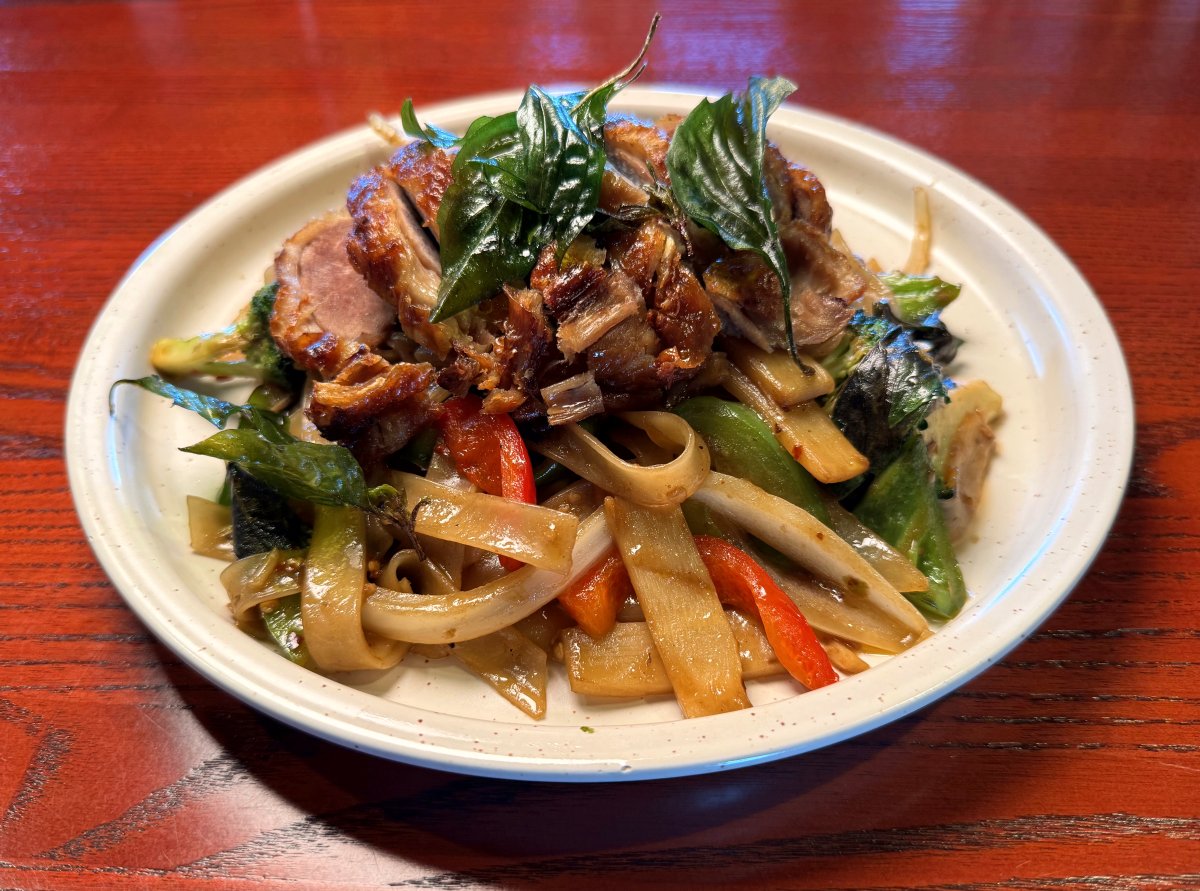
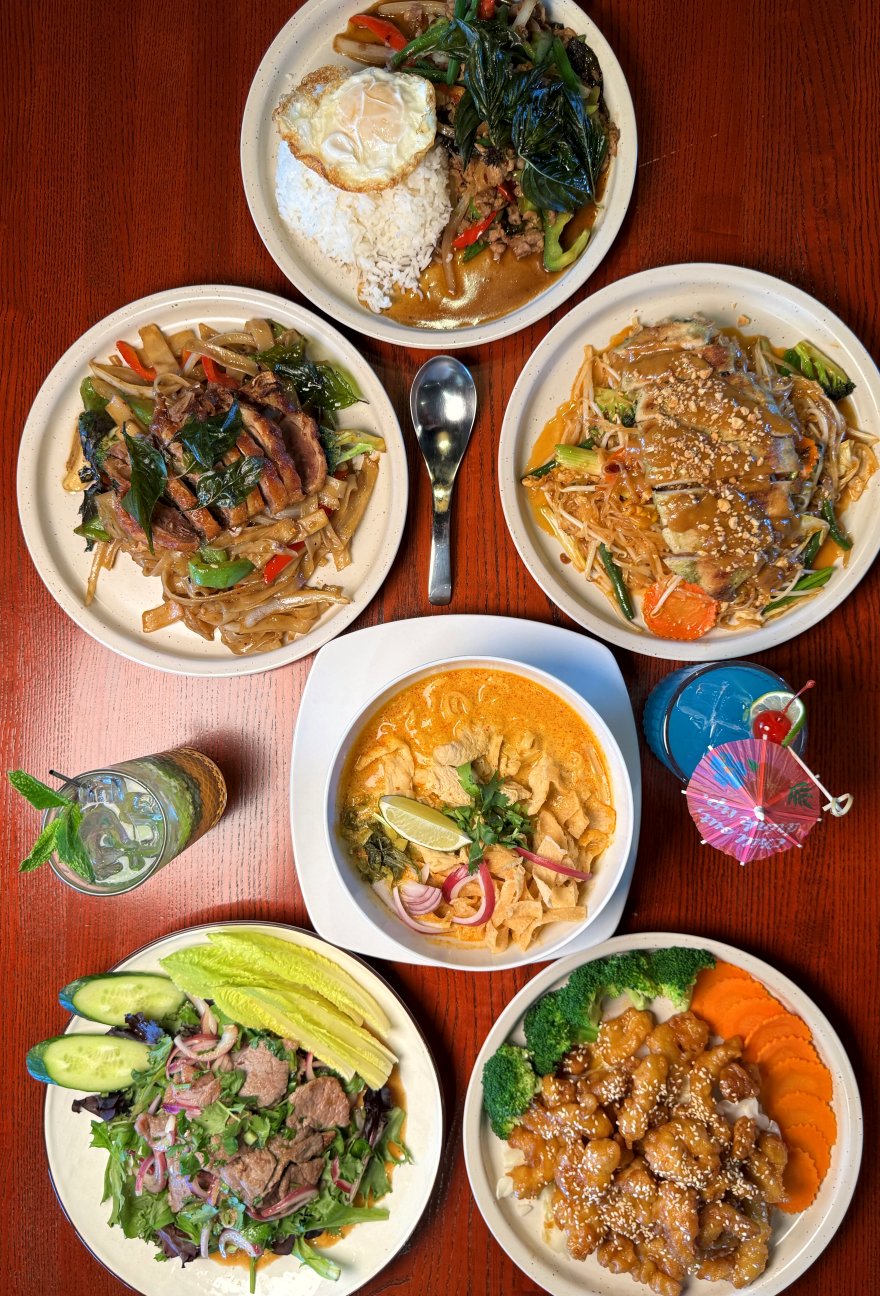
Yes, you can meal prep Drunken Noodles, but only if you respect what makes the dish good in the first place.
This is not one of those meals that forgives careless storage, overcooked noodles, or a heavy hand with sauce. Drunken Noodles, the Thai stir-fried noodle dish many people know for its wide rice noodles, basil, heat, and glossy savory coating, lives or dies on texture. Fresh from the wok, it is slippery, chewy, fragrant, and slightly smoky if the pan was hot enough. A day later, it can still be excellent. Four days later, if prepped the wrong way, it can slump into a sticky, broken tangle.
That does not mean meal prep is off the table. It means the strategy matters.
If your goal is grab-and-go lunches for three or four days, Drunken Noodles can absolutely work. If your goal is to make a giant batch on Sunday and expect Friday’s portion to taste like a restaurant stir-fry, that is where disappointment usually starts. The sweet spot sits somewhere in the middle: partial prep when possible, smart storage when necessary, and an understanding that noodles behave differently from soups, braises, and grain bowls.
Why Drunken Noodles are trickier than they look
Meal prep success depends on how an ingredient handles time, moisture, and reheating. Rice noodles are temperamental on all three fronts.
Wide rice noodles, especially the fresh kind used in many restaurant versions of Drunken Noodles, tend to cling together as they cool. If they were slightly overcooked to begin with, refrigeration pushes them further in the wrong direction. The starch tightens, the surface dries, and the strands can split or turn gummy when reheated too aggressively. Add a sauce with sugar, soy, and oyster sauce, and that tackiness intensifies.
Then there is the basil. Thai basil, when tossed in at the end of cooking, gives the dish its signature perfume. It does not love long storage. After a day, the flavor is still there. By day three, it fades into the background. The same thing happens with the fresh heat from chiles. The dish may taste hotter after sitting, but less bright.
Protein adds another layer. Chicken and beef usually reheat well if not overcooked the first time. Shrimp is more fragile. Tofu can be excellent, though it often absorbs sauce and becomes softer in storage. Vegetables matter too. Bell peppers tend to hold up. Onions are fine. Tomatoes, if you use them, break down. Baby corn can become watery. Broccoli can dominate the texture in a way that pulls the dish away from classic Drunken Noodles.
This is one of those dishes where the line between "meal prepped well" and "meal prepped poorly" is only a few minutes wide during cooking.
What meal prep can realistically look like
The best way to think about Drunken Noodles is not as a single meal prep method, but as a range.
At one end, you have full batch cooking. You make the complete dish, portion it, chill it, and reheat it over the next couple of days. This is the most convenient approach, and https://manuelukmv147.fairmontdigest.com/posts/spicy-drunken-noodles-a-flavor-packed-thai-favorite for many people it is good enough, especially for weekday lunches.
At the other end, you have component prep. You prepare the sauce, slice the protein, wash and chop vegetables, and cook the noodles either just before serving or slightly in advance. This method gives the best final texture, but it asks more of you on the day you eat it. Instead of a true heat-and-eat meal, you are doing a fast finish in a skillet, often in less than ten minutes.
Most home cooks land somewhere in the middle. They cook the protein and vegetables, mix the sauce, and either store the noodles separately or undercook them slightly so they can survive reheating. That compromise often gives the best return for the effort.
The biggest decision is whether to store the noodles separately
If I were cooking Drunken Noodles for guests, I would never make them fully ahead. If I were making lunches for Tuesday, Wednesday, and Thursday, I would strongly consider storing the noodles apart from the sauce and stir-fry, at least for the first day or two.
Separate storage protects the texture. It keeps the noodles from soaking up every last drop of sauce and prevents them from compacting into one dense slab in the container. It also lets you control the ratio when reheating, which matters more than people think. Noodles that look under-sauced when packed can taste perfect after reheating because they continue to absorb moisture in the fridge.
That said, storing everything separately takes more containers and a little more discipline. If convenience is the only goal, a fully assembled portion can still work, especially if you plan to eat it within forty-eight hours.
A practical rule helps here: if you are meal prepping Drunken Noodles for no more than two days, fully assembled is fine. If you are pushing into the third or fourth day, separate components give you a much better shot at preserving quality.
Fresh noodles versus dried noodles
This choice changes the entire prep experience.
Fresh wide rice noodles are the classic move for texture and authenticity of feel. They give that soft, broad, slippery chew that defines the dish in many restaurant kitchens. They are also more delicate. If they were already a little stuck together when you started cooking, storage tends to magnify the issue. Reheating fresh rice noodles can be frustrating because they can tear if stirred too much.
Dried rice noodles are less romantic but often more practical for meal prep. They are easier to portion, a little more predictable, and if cooked just shy of done, they can finish nicely during reheating. They still need care, but they generally tolerate the fridge better.
If someone asked me for the most dependable meal prep version of Drunken Noodles, I would steer them toward dried wide rice noodles cooked slightly under al dente, not mushy, not fully softened to the center. That small adjustment buys you a lot later.
Sauce behavior matters more than most recipes admit
Drunken Noodles sauce is usually built around soy sauce, oyster sauce, fish sauce, a touch of sugar, and sometimes dark soy for color. Some cooks add a little stock or water. Others use more sugar for a glossier finish. For meal prep, that balance should shift slightly.
A sauce meant for immediate serving can be a bit tighter and more concentrated because the noodles only spend a short time in it. A sauce meant for storage should often be a little looser. Not watery, but looser. The noodles will keep drinking after you pack them.
One mistake I see often is making the dish taste perfect in the pan, then discovering it tastes dry after a night in the fridge. That is not because the sauce disappeared. It got absorbed. A tablespoon or two of extra liquid in the sauce, especially when making multiple portions, can make the reheated dish much closer to what you intended.
Sugar deserves restraint. Too much sugar makes the noodles tacky as they cool and can lead to clumping. You still want balance, but this is a place where a slightly more savory profile tends to reheat better.
The basil problem, and how to handle it
Thai basil is not garnish here. It is part of the identity of Drunken Noodles. But it is also the ingredient that loses its edge fastest.
If you are meal prepping only one or two servings ahead, cook the basil into the dish as usual. It will still read clearly the next day. If you are prepping for longer, reserve some fresh basil leaves and add them when reheating. Even a small handful torn over the hot noodles can wake the whole container up.
This is one of those low-effort upgrades that makes a meal prepped dish taste intentional rather than leftover. It will not perfectly replicate fresh wok-finished basil, but it helps.
The same idea works with scallions, extra sliced chiles, or a squeeze of lime, even though lime is not standard in every version. Brightness fades in storage. A fresh final note restores dimension.
How to actually prep it without ruining it
When people say their noodle meal prep turned out gummy, the problem almost always started before the container went into the fridge. Usually it was one of three things: the noodles were overcooked, the pan was crowded, or the hot food was sealed too soon.
Overcooked noodles have no buffer. They are already at the edge, so chilling and reheating pushes them past it. A crowded pan lowers the heat, which means instead of stir-frying you are steaming. That creates a softer, wetter result that stores poorly. Packing steaming-hot noodles into containers traps condensation, and that extra moisture changes the texture in a way that is hard to reverse.
I like to cool meal prepped Drunken Noodles just enough that visible steam has mostly stopped, then portion them. Not hours on the counter, just enough to avoid turning the lid into a condensation machine. Once portioned, get them chilled promptly.
If you want the best odds of success, these are the pressure points to watch:
- Cook the noodles slightly less than you would for immediate serving.
- Keep the stir-fry moving over fairly high heat so the sauce coats rather than pools.
- Let the dish lose excess steam before sealing containers.
- Use shallow containers if possible, which cool more evenly and reheat faster.
- Plan to eat it within three days for best texture, four if you are not picky and the fridge is reliably cold.
That timeline is based less on food safety theory than on eating quality. The dish is usually still safe when handled properly, but its character drops off before then.
Which proteins hold up best
Chicken thigh is hard to beat for meal prep Drunken Noodles. It stays juicy, absorbs the sauce well, and reheats without turning stringy. Thinly sliced beef also works, especially if you start with a cut suited to quick cooking and avoid pushing it beyond medium during the original stir-fry. Ground chicken or ground pork can be good too, though it changes the feel of the dish.
Shrimp sits lower on my list. It is easy to overcook, and that problem doubles on reheat. If shrimp is your preference, component prep makes more sense than full batch cooking. Store the cooked noodles and vegetables separately, then quickly warm and combine without blasting the shrimp.
Tofu is underrated here. Firm tofu, pressed and browned properly, can carry the sauce well and tends to reheat more predictably than shrimp. It does soften in storage, but in a pleasant way if the exterior got enough color at the start.
Vegetables that help, not hurt
Not every vegetable belongs in a meal prepped noodle box. Watery vegetables can leak into the sauce and leave the noodles slick in the wrong way. Delicate greens collapse. Mushrooms release liquid, then sometimes reabsorb it, which can make the container feel uneven from one bite to the next.
Bell peppers and onions are dependable. They keep a bit of bite and still taste integrated after reheating. Chinese broccoli, if you like it in Drunken Noodles, can work well when blanched or stir-fried briefly so it does not turn drab. Green beans can also hold their structure if sliced appropriately.
The broader point is this: choose vegetables for texture retention, not just flavor. Meal prep cooking rewards ingredients that can survive one more round.
Reheating is where most people lose the dish
Microwave reheating is convenient, but it is easy to overshoot. Rice noodles do not respond well to prolonged, intense heat. They toughen at the edges, split in the middle, and sometimes go from cold to blistering in spots while other sections stay stuck together.
A skillet is better when time allows. A nonstick or well-seasoned pan over medium heat, with a splash of water, stock, or a spoonful of extra sauce, can loosen the noodles gently and restore some gloss. You do not need to re-cook the dish, just wake it up.
If the microwave is the only option, lower power and short intervals help. Stir between rounds. A teaspoon of water in the container can make a noticeable difference. So can letting the portion sit at room temperature for ten to fifteen minutes before reheating, especially if the noodles have compacted.
These small choices matter more with Drunken Noodles than with sturdier meal prep foods like chili or roasted vegetables.
A practical meal prep approach that works well
For most home kitchens, the strongest method is a hybrid one. Make the sauce ahead. Slice the aromatics and vegetables ahead. Cook the protein ahead if you want. Cook the noodles either fresh on the day you eat, or no more than a day in advance if you need full convenience.
If you prefer to fully assemble the meal, slightly undercook the noodles, use a touch more liquid in the sauce, and cool the portions properly before refrigerating. Then plan to eat the best portions early in the week.
There is a difference between a meal that stores safely and a meal that stores gracefully. Drunken Noodles can do the first quite easily. The second takes judgment.
When meal prep is a bad idea
Sometimes the honest answer is no, not this week.
If your only containers are deep, oversized tubs, if your fridge tends to run warm, or if you know your lunch routine means food will sit in a work bag for hours before reheating, Drunken Noodles may not be the best choice. It is also a poor candidate if you love a lot of delicate vegetables or insist on shrimp cooked to the edge of perfection.
There are also people who simply care a lot about noodle texture. If you are the kind of eater who notices when a pasta shape lost half a minute too much in the pot, you may find prepped Drunken Noodles frustrating unless you do component prep. That is not being fussy. It is understanding your own standards.
On the other hand, if you mainly want bold flavor, a satisfying lunch, and a break from bland containers of chicken and rice, this dish can be a smart change of pace.
Small adjustments that improve the result
The most successful meal prep versions of Drunken Noodles usually include a few quiet modifications. None of them change the soul of the dish, but together they improve durability.
Fresh garlic and chiles should still go in. That flavor matters. But resisting the urge to add too much oil helps the noodles stay separate in storage. Holding back a little basil for reheating helps with aroma. Using a wider container rather than packing the portion into a narrow vertical stack helps the noodles cool and reheat more evenly.
Another useful trick is portion size. Huge servings compact more and reheat less evenly. Moderate portions, especially for lunch, almost always perform better. You can always pack a side if you need more food.
The bottom line
So, can you meal prep Drunken Noodles? Yes, with some conditions.
They are not the easiest noodle dish to prep, and they are nowhere near as forgiving as a curry or a braise. But they are far from impossible. If you choose noodles carefully, keep the sauce balanced, avoid overcooking, and reheat with a light touch, you can get several satisfying meals out of one cooking session.
The best version for pure convenience is a fully assembled batch eaten within two or three days. The best version for quality is component prep, with noodles stored separately or cooked closer to serving time. Most people will be happiest somewhere between those two extremes.
What makes Drunken Noodles worth the effort is also what makes them delicate: the chew of the noodles, the basil, the quick, hot stir-fry character. Meal prep softens some of that, but it does not erase it. Done well, the dish still tastes bold, savory, spicy, and unmistakably itself. For a weekday lunch, that is more than enough reason to make it.
Nakhon Luang Thai Kitchen
Address: 805 Village Center Dr, Colorado Springs, CO 80919
Phone number: +17195315175
FAQ About Drunken Noodles
What makes it drunken noodles?
Drunken noodles, or Pad Kee Mao, get their name from the Thai word khi mao (meaning "drunkard"). They contain no alcohol. The name comes from the idea that the dish is a popular late-night meal to cure a hangover or a great food to eat with a cold beer.
What is the difference between pad see ew and drunken noodles?
While both Pad See Ew and Drunken Noodles use the same wide rice noodles, Pad See Ew is a mild, sweet-savory dish made with dark soy sauce and Chinese broccoli, whereas Drunken Noodles (Pad Kee Mao) are fiery, garlicky, and herbaceous with fresh chilies and Thai basil.
What are traditional drunken noodles?
Traditional drunken noodles, known as Pad Kee Mao in Thai, are a fiery, savory street food stir-fry made with wide flat rice noodles, fresh garlic, lots of hot chilies, meat or tofu, and fragrant holy basil. Despite the name, they contain no alcohol; the dish is traditionally eaten late at night or as a hangover cure because the intense spice helps clear the head.