Entry · Ref O13-7JRJ
The Perfect Stir-Fry Method for Drunken Noodles
- Posted
- 2026-09-25
- Last amended
- 2026-09-25
- Account
- @cesarsgqk454
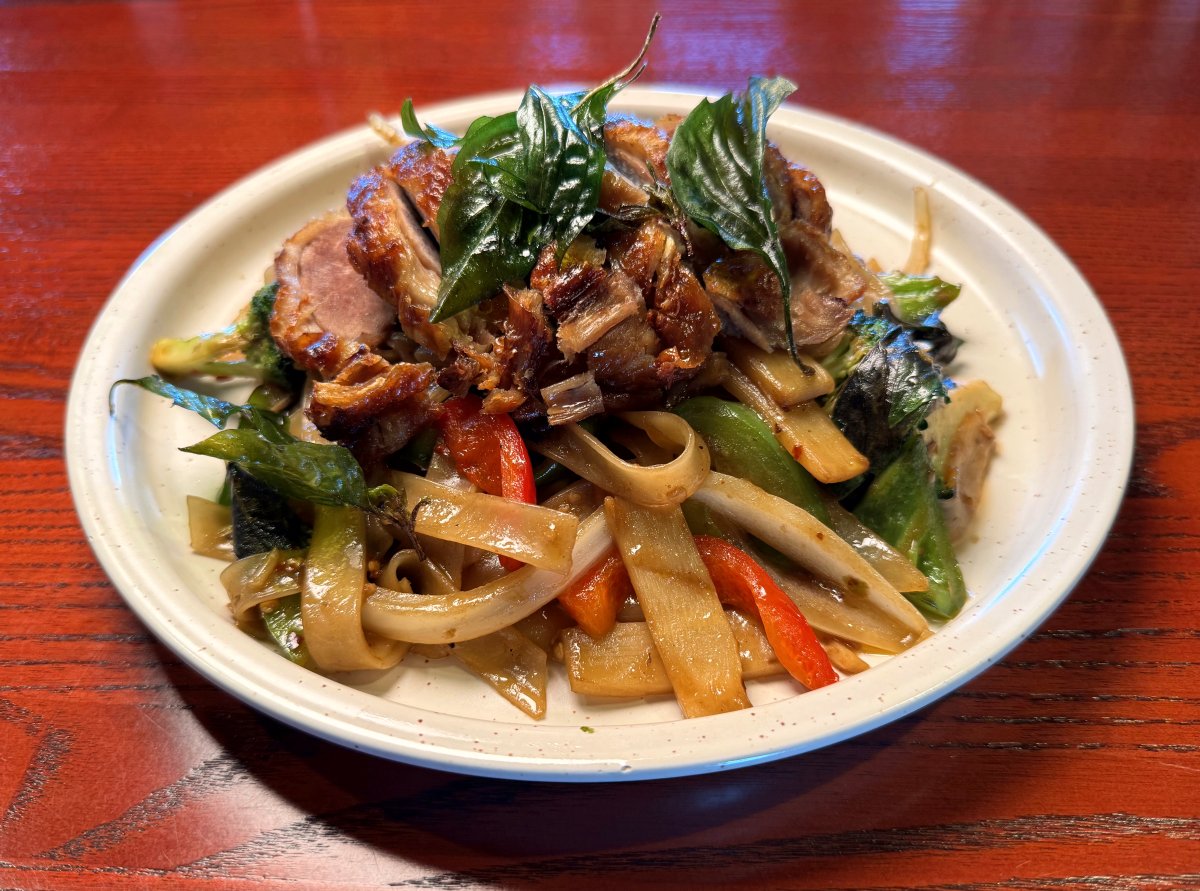
Drunken Noodles rewards confidence more than caution. It is not a dish that wants timid heat, crowded pans, or distracted cooking. The best versions arrive glossy, smoky, lightly charred in spots, and balanced between savory depth, fresh aromatics, and a quick hit of heat. The noodles should stay supple rather than gummy. The basil should wilt without turning black. The sauce should cling instead of pooling at the bottom of the plate.
That result depends less on a secret ingredient than on method. People often focus on the sauce, and sauce matters, but stir-fry technique is what separates a passable plate of Drunken Noodles from one that tastes like it came off a busy restaurant burner. The dish moves fast. If the pan is not hot enough, if the noodles go in wet, if the vegetables release too much water, or if the sauce is added at the wrong moment, everything softens and steams. Once that happens, no amount of extra fish sauce or basil can rescue the texture.
After years of cooking noodle stir-fries at home and in professional kitchens, I have found that this dish comes down to three practical truths. First, high heat only works when the pan is not overloaded. Second, every ingredient must be ready before the burner goes on. Third, rice noodles demand gentler handling than most cooks expect. They look sturdy, but the line between pleasantly chewy and split apart is narrow.
What Drunken Noodles should taste and feel like
Drunken Noodles, often associated with Thai pad kee mao, is broad and bold. It is usually built on wide rice noodles, garlic, chilies, a savory sauce anchored by soy and fish sauce, vegetables with some crunch left in them, and Thai basil for a distinct anise-like fragrance. Some versions lean sweeter, some spicier, and some use more dark soy for color and a rounder finish. There is room for variation, but the core identity remains the same: smoky wok-cooked noodles with forceful seasoning and fresh herbal lift.
Texture tells you whether the method worked. Good Drunken Noodles should have a little edge here and there, a slight sear on some noodle surfaces, and enough elasticity that you can pick up a clump without it breaking into short fragments. Vegetables should still have shape. Onion should soften but not disappear. Bell pepper, if used, should remain vivid. Chinese broccoli should be tender in the stem and bright in the leaf. Protein should stay juicy, not gray and overcooked from waiting around in the pan while the noodles finish.
The sauce should read as absorbed, not dumped on. When the dish is right, the pan looks nearly dry by the end because the liquid has reduced into a glaze. That visual cue matters more than strict timing.
The pan matters, but preparation matters more
A seasoned wok makes this easier, especially over a strong burner, but a large carbon steel skillet or even a heavy stainless pan can produce excellent results if you respect capacity. Many home cooks lose the dish before the first stir because they try to cook four restaurant-style portions at once. A home burner usually cannot sustain the heat needed for that quantity. The pan cools, the ingredients sweat, and the noodles clump.
For most kitchens, two generous servings is the sweet spot. Three can work if the pan is very wide and the burner is strong. Beyond that, cook in batches or accept that the result will be softer and less aromatic. There is no shame in making two quick rounds. Restaurants do that all the time, just faster.
Preparation begins with cutting and staging ingredients by cooking speed. Garlic and chilies are fast. Onion follows. Harder stems from Chinese broccoli can go in before leaves. Protein should be sliced thin enough to cook in under two minutes. Sauce should be mixed in advance, not measured over the pan. Basil should be plucked and ready. Noodles should be loosened before they ever meet heat. The dish itself cooks in a matter of minutes, which means the real work is done before that.
Choosing the right noodles, and treating them correctly
Wide rice noodles are traditional for Drunken Noodles because they stand up to assertive seasoning and hot tossing without feeling delicate. Fresh wide rice noodles are the easiest to work with when you can get them. They have a soft, springy quality and can absorb sauce while still keeping a satiny surface. If they are refrigerated, though, they can stiffen and crack. Letting them come closer to room temperature helps. If they are tightly stuck together, a brief warming, just enough to loosen them, is often better than pulling them apart cold and tearing them into strips.
Dried wide rice noodles are completely usable, but they demand more judgment. Package directions tend to aim for full softness, which is exactly what you do not want in a stir-fry. Fully softened noodles continue cooking in the pan, then break apart as you toss them. I prefer soaking or boiling until they are pliable with a firm center, then draining and rinsing briefly to stop carryover cooking. After that, a light coating of neutral oil helps prevent sticking while they wait. They should look slightly underdone before entering the pan.
Fresh noodles present the opposite challenge. They can seem ready-made and forgiving, but they often arrive compressed into a block. If you force them apart aggressively, they split. If you leave them in a solid mass, they heat unevenly and trap steam. The best approach is patient separation with your fingers after a brief warm-up. Once loosened, keep them covered so the exposed edges do not dry out.
Sauce is architecture, not decoration
Drunken Noodles needs a sauce with enough salt to season the noodles, enough sweetness to round bitterness and heat, and enough body to coat without becoming syrupy. Fish sauce brings salinity and depth. Light soy contributes savory backbone. Dark soy adds color and a touch of molasses-like fullness. A small amount of sugar is not there to make the dish sweet, but to sharpen contrast. Oyster sauce is common in many kitchens because it lends body and savory richness, though some cooks prefer a leaner profile without it.
The exact ratio depends on your brand of soy sauce, the saltiness of your fish sauce, and how much noodle you are using. That is why taste matters more than memorized formulas. A useful target is a sauce that tastes slightly too strong when sampled from the bowl. Once spread across hot noodles and vegetables, it will read balanced. If it tastes perfect before cooking, it will often taste flat in the finished dish.
Acidity is less central here than in pad thai, but a tiny squeeze of lime at the table can brighten a heavy batch. I would not build the pan sauce around acid, though. The dish is meant to be savory and aromatic first.
The vegetables and herbs that actually improve the dish
Chinese broccoli is hard to beat because it contributes bitterness, crunch, and moisture without collapsing instantly. The stems handle direct heat well, and the leaves wilt into the sauce. Onion is equally important. It sweetens in the pan and fills out the aroma between garlic, chilies, and basil. Bell pepper is common and useful, especially red or green, but it should be sliced thin and cooked fast so it stays lively.
Thai basil gives the dish its final personality. Italian basil can work in a pinch, but it changes the flavor noticeably. Thai basil holds up to heat better and brings a peppery licorice note that belongs in the dish. Add it late, when the pan is nearly finished. If added too early, it bruises and blackens before its fragrance blooms.
Chilies deserve a practical note. Fresh bird's eye chilies deliver the brightest heat, but they can dominate if used without restraint. Heat tolerance varies wildly among diners, and so does chili potency from batch to batch. A smart cook adjusts with experience rather than chasing a rigid number. In a home setting, I often start lower than I think I need because you can always serve sliced chilies or chili vinegar on the side. You cannot pull heat back out once it saturates the oil.
The protein question: chicken, beef, shrimp, tofu, or none
Drunken Noodles does not require protein to be satisfying, but it adapts well to many. Chicken thigh is particularly forgiving because it stays juicy at high heat. Thin-sliced beef can be excellent, though it benefits from shorter pan time and a touch of oil before cooking. Shrimp works if cooked fast and removed before it tightens. Tofu can be terrific, but only if it is firm, well-drained, and browned enough to keep its shape when tossed with noodles.
What matters is sequence. Protein should be cooked enough to develop some color, but not so long that it sits in the pan overcooking while the rest of the dish catches up. In restaurant kitchens, par-cooking proteins ahead is common for speed and consistency. At home, that can still be useful. Browning chicken or tofu first, removing it, then folding it back in at the end gives you more control and a hotter pan for the noodles.
The mise en place that prevents failure
This is one of the rare cases where neat setup is not optional. Once the first ingredient hits the pan, there is no pause for slicing basil or searching for the fish sauce cap.
- Noodles loosened and portioned
- Sauce mixed and tasted
- Aromatics chopped and separated from vegetables
- Protein sliced and patted dry
- Basil washed, picked, and ready by the stove
That short checklist saves the dish. It also calms the cooking process, which matters when you are working over aggressive heat and making quick decisions.
Heat management is the whole game
People hear "high heat" and think the answer is simply turning the burner to maximum. That is only half true. Useful stir-fry heat is heat you can control. If the oil smokes the second it lands and the garlic burns before the onion enters, your pan is too hot for your pace. If the vegetables hiss softly but never sear, it is too cool. The goal is active, audible cooking with quick evaporation, not scorched aromatics.
I usually preheat the pan until a drop of water flicked onto the surface skitters and vanishes quickly. Then in goes a modest amount of oil. Not a shallow fry, just enough to coat and carry flavor. Aromatics should bloom in seconds, not minutes. If they darken too fast, follow immediately with onion or protein to absorb some heat. If they sit pale, wait a beat before adding more.
The pan should not stay at one exact intensity from start to finish. Good stir-frying is a series of micro-adjustments. You may start high to sear protein, lower very slightly while the noodles absorb sauce, then raise the heat again to drive off moisture and encourage light charring. Professional cooks do this almost unconsciously, but the principle is simple: listen to the pan and react. Loud sizzle with visible steam is productive. Violent smoking and bitter aroma mean back off.
The actual stir-fry sequence
Sequence is where most home versions go sideways. The right order helps each ingredient hit its ideal doneness at roughly the same moment.
- Sear the protein first if using one, then remove it while still slightly underdone.
- Fry garlic and chilies briefly in fresh oil, then add onion and sturdier vegetables.
- Add noodles and sauce together, tossing gently until the noodles loosen, absorb, and pick up some char.
- Return the protein, add leafy greens, and cook just until everything is hot.
- Fold in Thai basil off the highest heat and serve immediately.
Those steps look simple because they are, but each one contains a timing judgment. Garlic and chilies need seconds, not a leisurely saute. Onion wants a little color on the edges. Noodles need contact with the pan, not constant frantic stirring. If you keep them moving nonstop, they never sear. Let them sit briefly, toss, then let them sit again. This is especially important in a home pan where you do not have restaurant-level flame climbing the sides.
Why noodles break, clump, or turn gummy
Three problems show up over and over with Drunken Noodles, and each has a clear cause.
Broken noodles usually come from over-soaking or over-boiling, followed by rough tossing. Rice noodles are fragile after they cross the threshold into full tenderness. Under-cook them slightly, then finish them in the pan. If using fresh noodles, separate them gently and warm them enough to become flexible before tossing.
Clumped noodles tend to come from starch, compression, or delayed seasoning. Fresh noodles straight from the package often stick because they have compacted. Dried noodles can glue together if drained and left without a little oil. Sauce also helps separation, but only if it reaches the noodles early enough. If you add sauce after the noodles have sat in a dry pan and formed a mass, you are working against yourself.
Gummy noodles almost always mean excess moisture and insufficient heat. Water from under-drained noodles, recently washed vegetables, or a crowded pan creates steam. The starch on the noodle surface hydrates further and turns tacky. Once that happens, the texture goes heavy. Pat vegetables dry, drain noodles well, and never underestimate how much a handful too many can change the outcome.
The role of char, and how to get it at home
People talk about wok hei, the elusive breath of the wok, as though it is a mystical effect only possible in restaurants. In truth, home cooks can capture part of what they are after, though usually not the same intensity. You are looking for localized high heat, fast evaporation, and direct contact between ingredients and metal. That is what creates those appealing toasted notes on the edges of noodles and vegetables.
To get there at home, reduce volume before anything else. Use a bigger https://martinrknp924.oakmontscope.com/posts/can-you-meal-prep-drunken-noodles pan than you think you need. Preheat properly. Avoid stirring every second. Resist adding extra sauce "just to make sure." Wet food does not char. It steams. I have seen many decent batches transformed by one simple change: cooking half as much at once. The flavor concentration increases, the noodles color better, and the basil remains fresher because the dish finishes faster.
Some cooks try to compensate for a weak burner by adding sesame oil, chili oil, or extra dark soy at the end. Those ingredients can be pleasant in their own right, but they do not create the smokiness people are missing. Technique does.
Small adjustments that make a big difference
A pinch more sugar can rescue an overly salty batch, especially if your fish sauce is assertive. A splash of water can help loosen noodles that tightened too much before the sauce spread evenly. That may sound contradictory after all the warnings about moisture, but tiny corrective additions are different from beginning with a wet pan. The amount matters. A tablespoon used intentionally is a tool. A quarter cup of liquid sloshed in because the pan seems dry is a problem.
If the basil aroma feels muted, the likely culprit is timing. Add it at the very end and toss with residual heat. If the vegetables seem raw while the noodles are ready, your slices were probably too thick or your order was off. Start dense stems earlier. If the dish tastes harsh rather than bold, your garlic or chilies may have scorched in the oil. Burned aromatics produce bitterness that reads through everything.
Salt balance deserves one last note. Fish sauce, soy sauce, and oyster sauce all bring sodium, but not in identical ways. Fish sauce is sharp and penetrating. Soy is broader. Oyster sauce feels rounder and sweeter. Learning how those stack is part of becoming reliable with Drunken Noodles. The dish should taste intense, but it should not leave the tongue numb with salt.
Serving and timing
Drunken Noodles is at its peak the moment it leaves the pan. The glossy coating dulls as it sits. Basil fades. Noodles begin to set and cling together. This is not one of those dishes that waits politely while everyone finds their seat. Warm plates help, but the real answer is to call people to the table before the final toss.
Leftovers can still be good, though the texture changes. Reheating works best in a hot skillet with a tiny splash of water to relax the noodles, not in a microwave where the edges toughen and the middle stays dense. Even then, the basil fragrance will be softer than it was on day one. That is normal.
A practical standard for getting it right
If you want a benchmark for your own cooking, look for five signs in the finished pan: the noodles are glossy but not wet, some edges show browning, the vegetables still have color and shape, the basil smells fresh and vivid, and there is no puddle of sauce collecting underneath. If all five are there, your stir-fry method is working.
A strong plate of Drunken Noodles does not depend on theatrics. It depends on discipline in a very short window of time. Choose noodles carefully, prep everything first, use less volume than your pan can technically hold, and let high heat do real work instead of merely creating noise. Once you understand that rhythm, the dish stops feeling hectic. It becomes one of the most satisfying things you can cook on a weeknight, fast enough for Tuesday, impressive enough for company, and honest enough to teach you something every time you make it.
Nakhon Luang Thai Kitchen
Address: 805 Village Center Dr, Colorado Springs, CO 80919
Phone number: +17195315175
FAQ About Drunken Noodles
What makes it drunken noodles?
Drunken noodles, or Pad Kee Mao, get their name from the Thai word khi mao (meaning "drunkard"). They contain no alcohol. The name comes from the idea that the dish is a popular late-night meal to cure a hangover or a great food to eat with a cold beer.
What is the difference between pad see ew and drunken noodles?
While both Pad See Ew and Drunken Noodles use the same wide rice noodles, Pad See Ew is a mild, sweet-savory dish made with dark soy sauce and Chinese broccoli, whereas Drunken Noodles (Pad Kee Mao) are fiery, garlicky, and herbaceous with fresh chilies and Thai basil.
What are traditional drunken noodles?
Traditional drunken noodles, known as Pad Kee Mao in Thai, are a fiery, savory street food stir-fry made with wide flat rice noodles, fresh garlic, lots of hot chilies, meat or tofu, and fragrant holy basil. Despite the name, they contain no alcohol; the dish is traditionally eaten late at night or as a hangover cure because the intense spice helps clear the head.